Ontario's mental health system uses a lot of titles, and they are not interchangeable. If you have ever tried to figure out who you should actually see — and what each credential means in practice — this article is a direct, plain-language breakdown. No jargon, no runaround.
The Three Main Titles
Let's start with the basics, then get into what actually matters for your decision.
Registered Social Worker (RSW / MSW, RSW)
An RSW in Ontario holds at minimum a Bachelor of Social Work (BSW), though most therapists in private practice hold a Master of Social Work (MSW). They are registered and regulated by the Ontario College of Social Workers and Social Service Workers (OCSWSSW) — a statutory regulatory body that sets standards of practice, investigates complaints, and can revoke registration.
RSWs provide psychotherapy, counselling, and support for a wide range of mental health concerns: trauma, anxiety, depression, relationship issues, grief, burnout, and more. They are trained in evidence-based approaches including CBT, EMDR, DBT, ACT, and others. They cannot conduct formal psychological assessments (IQ, learning disability, ADHD assessments) and cannot prescribe medication.
Fees in private practice typically range from $150 to $250 per session in Ontario. Many extended health benefit plans cover RSW services — check your policy under “social worker” or “psychotherapy.”
Registered Psychologist (C.Psych / C.Psych.Assoc)
A psychologist in Ontario holds a doctoral degree (PhD, PsyD, or EdD in psychology) and is regulated by the College of Psychologists and Behaviour Analysts of Ontario (CPBAO). This is a rigorous credential that requires years of supervised training beyond the doctorate.
Psychologists provide therapy and can also conduct formal psychological assessments — the tests used to diagnose ADHD, learning disabilities, autism spectrum disorder, and other conditions requiring a formal report. If you need a diagnosis or a formal assessment (often required by schools, courts, or insurance companies), a psychologist is who you need.
Fees are higher than RSWs: $225–$350+ per session for therapy; psychological assessments can cost $2,000–$4,000+ depending on the scope. They cannot prescribe medication.
Psychiatrist (MD)
A psychiatrist is a medical doctor (MD) who completed a residency in psychiatry after medical school. They are regulated by the College of Physicians and Surgeons of Ontario (CPSO). In Ontario, their services are covered by OHIP when referred by your family physician.
The primary and unique role of a psychiatrist is medication management. They are the only mental health professionals in Ontario who can prescribe psychiatric medication. They diagnose psychiatric conditions and manage pharmacological treatment.
Here is the reality most people don't know: most psychiatrists in Ontario today do not provide ongoing talk therapy. Wait times through the public system are often 6–18 months. A psychiatry appointment typically lasts 30 minutes and focuses on medication review. For actual talk therapy, you will almost always need to see an RSW or psychologist as well.
A Quick Comparison
| RSW / MSW, RSW | Psychologist | Psychiatrist | |
|---|---|---|---|
| Education | Master of Social Work | Doctoral degree (PhD/PsyD) | MD + psychiatry residency |
| Talk therapy | ✓ Yes | ✓ Yes | Rarely in practice |
| Assessments (ADHD, LD) | ✗ No | ✓ Yes | ✓ Yes |
| Can prescribe medication | ✗ No | ✗ No | ✓ Yes |
| OHIP coverage | ✗ No | ✗ No | ✓ When referred by GP |
| Extended benefits coverage | Often covered | Often covered | N/A (OHIP covers) |
| Typical private fee | $150–$250/session | $225–$350+/session | OHIP (no private fee) |
| Wait time (public) | Days to weeks | Weeks to months | 6–18+ months |
Other Titles You Might Encounter
Ontario also has a Registered Psychotherapist (RP) designation — regulated by the College of Registered Psychotherapists of Ontario (CRPO). RPs provide psychotherapy but do not have a mandatory master's degree requirement; qualifications vary. Some are highly trained; others have less formal education. Always ask about education and supervised experience.
You may also see titles like “counsellor” or “therapist” used by people without a regulated designation. In Ontario, these terms are not protected — anyone can call themselves a counsellor. This does not mean they are unqualified, but it is worth verifying credentials before beginning treatment.
Who Should I See?
Here is a simple decision guide:
- I need medication, or I'm not sure if I do: Start with your family doctor. They can prescribe common medications (antidepressants, anti-anxiety) and refer you to a psychiatrist if needed.
- I need a formal assessment for ADHD, autism, or a learning disability: See a psychologist.
- I want talk therapy for trauma, anxiety, depression, relationships, or burnout: An RSW is often the most accessible and cost-effective option, and for most concerns, equally effective as a psychologist.
- My benefits cover a specific type: Check your plan — most cover RSW, many cover RP, some cover psychologist. Know what you have before choosing.
Does It Matter That I See an RSW Instead of a Psychologist?
For talk therapy — the kind that addresses anxiety, trauma, depression, relationships, and most of what people seek therapy for — the research does not show a meaningful outcome difference between RSWs and psychologists. What the research consistently shows is that the quality of the therapeutic relationship matters more than the specific credential of the provider.
Choose someone who is regulated, experienced in what you are dealing with, and with whom you feel genuinely heard. The letters after their name matter less than those three things. If you'd like to learn more about Andrew's approach and training, you can read his full bio or explore the services he offers.
“The credential matters less than the relationship. Find someone regulated, experienced in your concern, and with whom you feel genuinely safe. That is the most important decision you will make.” — Andrew Garnet MSW, RSW
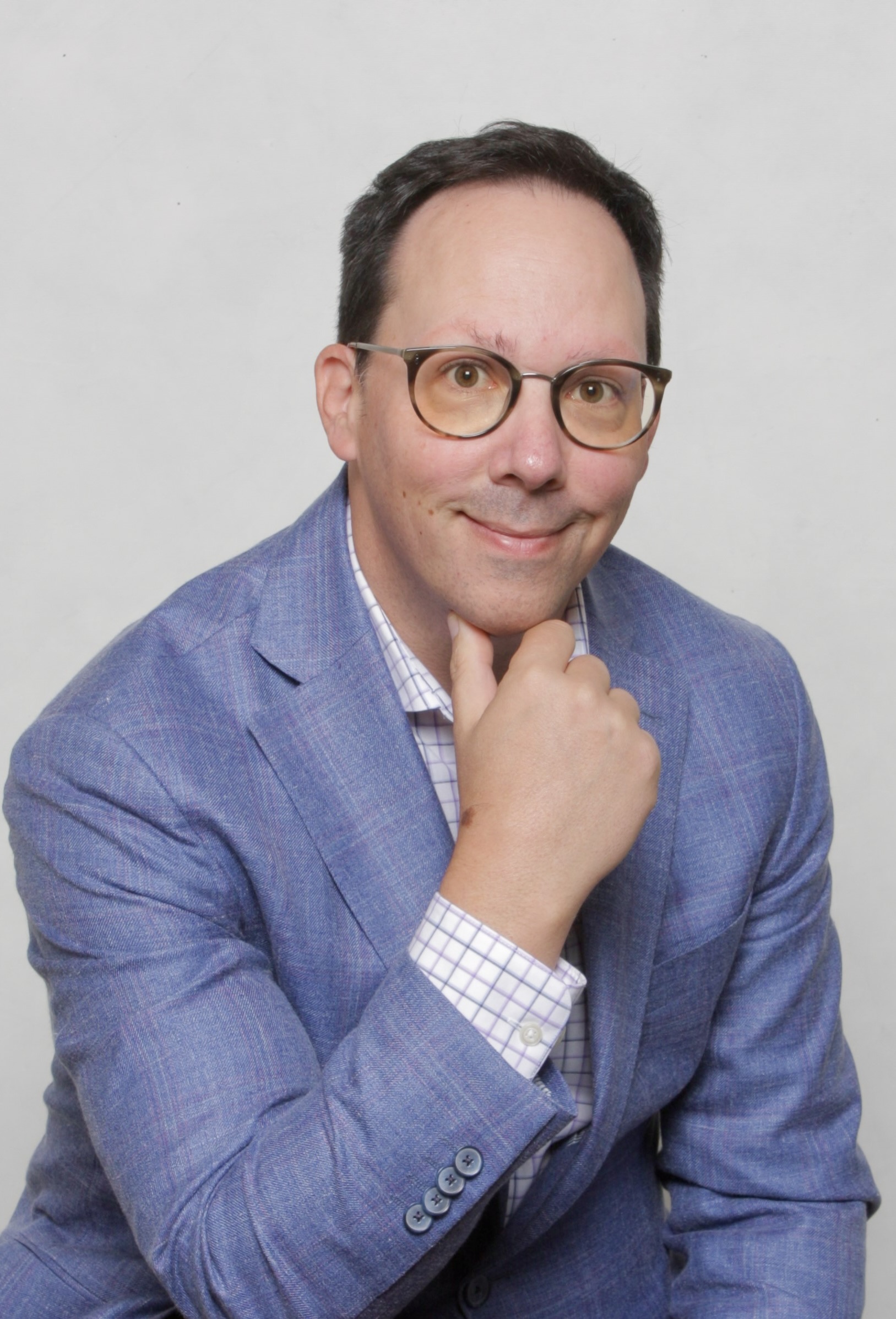
Andrew Garnet MSW, RSW
Registered Social Worker with 18 years of experience in Scarborough, Ontario. Andrew specializes in trauma therapy, EMDR, men's mental health, and support for first responders and veterans. Full bio →